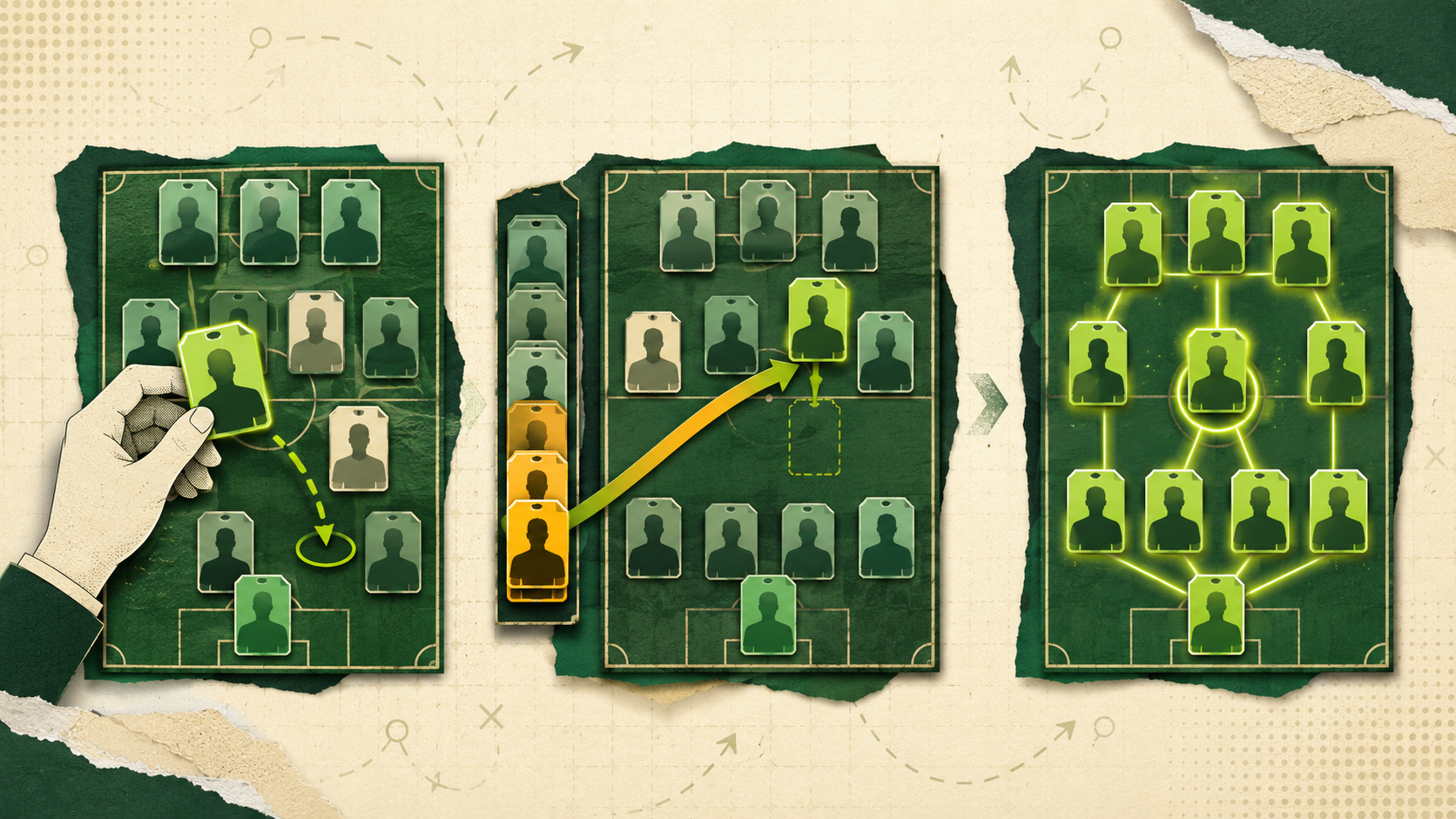
A TFF season does not have to be decided by the league table alone. Leagues with 6, 8, 10 or 12 managers can include a knockout cup during the regular season and Top Four playoffs at the end. The two competitions are separate: the cup produces a Cup Champion, while the playoffs decide the Top Four Champion.
Both are enabled by default in eligible leagues, although the commissioner can switch either one off before the draft is scheduled. Four-manager leagues are head-to-head only, with first place in the table becoming League champion. Once the draft has been scheduled, the cup and playoff settings are locked for the season.
League, cup and playoff weeks are separate
Every TFF Gameweek is assigned as League, Cup, Playoff or Bye. A League week produces the normal head-to-head result and updates wins, losses and ties in the table. Cup and playoff results are kept separate, so winning a knockout tie does not add a league win or change the regular-season standings.
There is no league opponent waiting in the background on a Cup or Playoff week. If your team has a cup bye, has already been knocked out or did not qualify for the playoffs, that Gameweek is a fantasy bye.
How the knockout cup works
Every team enters when the cup is enabled and the league activates before its first cup match week. There is no group stage. GW6 is used for the draw while normal league matchups continue, then the knockout ties begin later in the season. First-round byes are awarded from the league table after GW5.
Every tie is settled in one Gameweek. Winners move into a fresh draw for the next round, while eliminated teams have a bye on the remaining cup weeks. The final is played in GW28, with the winner crowned Cup Champion.
| League size | Cup weeks | Round path | Opening byes | Extra League week |
|---|---|---|---|---|
| 6 managers | GW16, 22, 28 | QF, SF, Final | Top two | GW10 |
| 8 managers | GW10, 16, 28 | QF, SF, Final | None | GW22 |
| 10 managers | GW10, 16, 22, 28 | R1, QF, SF, Final | Top six | None |
| 12 managers | GW10, 16, 22, 28 | R1, QF, SF, Final | Top four | None |
How the Top Four playoffs work
With playoffs enabled, the regular season runs through GW35. The leading four teams then qualify, with one important exception: a Cup Champion who finishes outside the top four takes the fourth playoff place. If the cup winner is already inside the top four, the table's first four qualify as normal.
The semi-finals take place in GW36, with first playing fourth and second playing third. Both are one-leg ties. The winners meet in the GW37 final, and the winner becomes Top Four Champion. Teams that do not qualify have a fantasy bye in both weeks, and GW38 is a competition bye for the whole league. If playoffs were disabled before the draft, GW36 and GW37 remain League weeks, and the team finishing first becomes League champion instead.
What happens when a knockout tie is level?
There is no extra time, replay or commissioner vote. If two teams finish a Cup or Playoff week on the same score, TFF resolves the tie automatically using the league table at that Gameweek. The comparison works through league wins, ties, points scored, fewer points conceded and the relevant head-to-head record before reaching team name as the final fallback.
That gives the regular season value beyond playoff qualification. A stronger table position can earn a first-round cup bye, set a better playoff seed and decide a level knockout tie. Cup and playoff weeks do not update the table, but the work done during League weeks can still shape what happens in the knockout rounds.
What does a fantasy bye mean?
A bye means there is no head-to-head competition result for your team that week. This can happen because you received a first-round cup bye, were knocked out, did not qualify for the playoffs or reached the season-wide GW38 bye. It does not quietly turn into a normal league fixture.
My Team remains available, and you can still save a lineup. Player scores can still be finalised for that Gameweek, but they do not create a League, Cup or Playoff result. The Schedule and Matchup areas label the week as a Bye so it is clear why no opponent appears.
Why the format changes the season
The cup gives every eligible team a second route into the decisive end of the season. A manager outside the top four can win the cup and take the final playoff place, while a team near the top may earn an early bye but still has to survive a one-off tie. One poor Gameweek can end a cup run, which is exactly what makes the competition feel different from the table.
The playoffs then make regular-season position matter without allowing the table to settle everything automatically. First still plays fourth, the best league records hold the knockout tiebreak advantage, and only the GW37 winner becomes Top Four Champion. You can see how these competitions fit into the wider league structure on How TFF works.
Choose the season your group wants
Some groups will want a pure league in which consistency decides the champion. Others will prefer the extra jeopardy of a knockout cup and a final four. TFF supports either approach in leagues of 6 to 12 managers, but the commissioner needs to make the choice before the draft is scheduled. If the group is new to exclusive squads, the beginner's guide to draft fantasy explains the wider format.
If your group wants league rivalries, knockout ties and a season-ending final, create a league built for more than the table.