One bad Gameweek can end your competition. There is no head-to-head opponent and no season-long table to protect you. When the scores become Final, the lowest-scoring manager is eliminated.
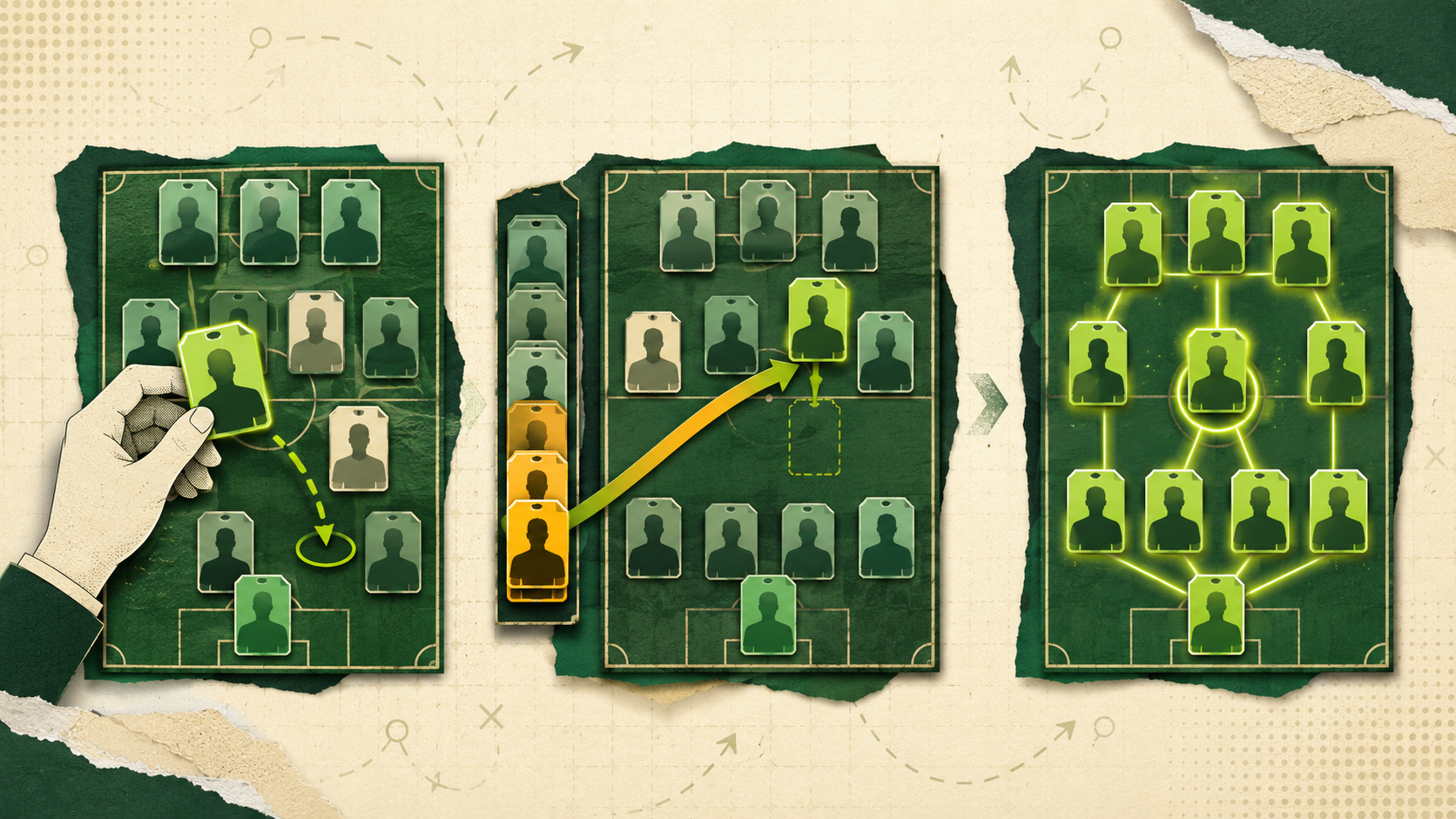
Their entire squad then enters FAAB waivers, giving the survivors a chance to strengthen for the next cut. The league keeps getting smaller, the available players keep getting better and the pressure rises until one manager is crowned Top Four Champion.
A fantasy league built around survival
A Guillotine League begins with the same foundations as other TFF leagues. Groups can start with 4, 6, 8, 10 or 12 managers, complete a 16-round snake draft and choose Classic, Balanced or Analytics scoring. Commissioners also choose the lineup mode, draft order, pick timer and whether bots can fill empty seats.
The competition itself is completely different. There are no head-to-head fixtures, trades, Cup or Top Four playoffs. Every active team is measured against the whole league each Gameweek, and the lowest Final score is cut.
Every Gameweek starts fresh
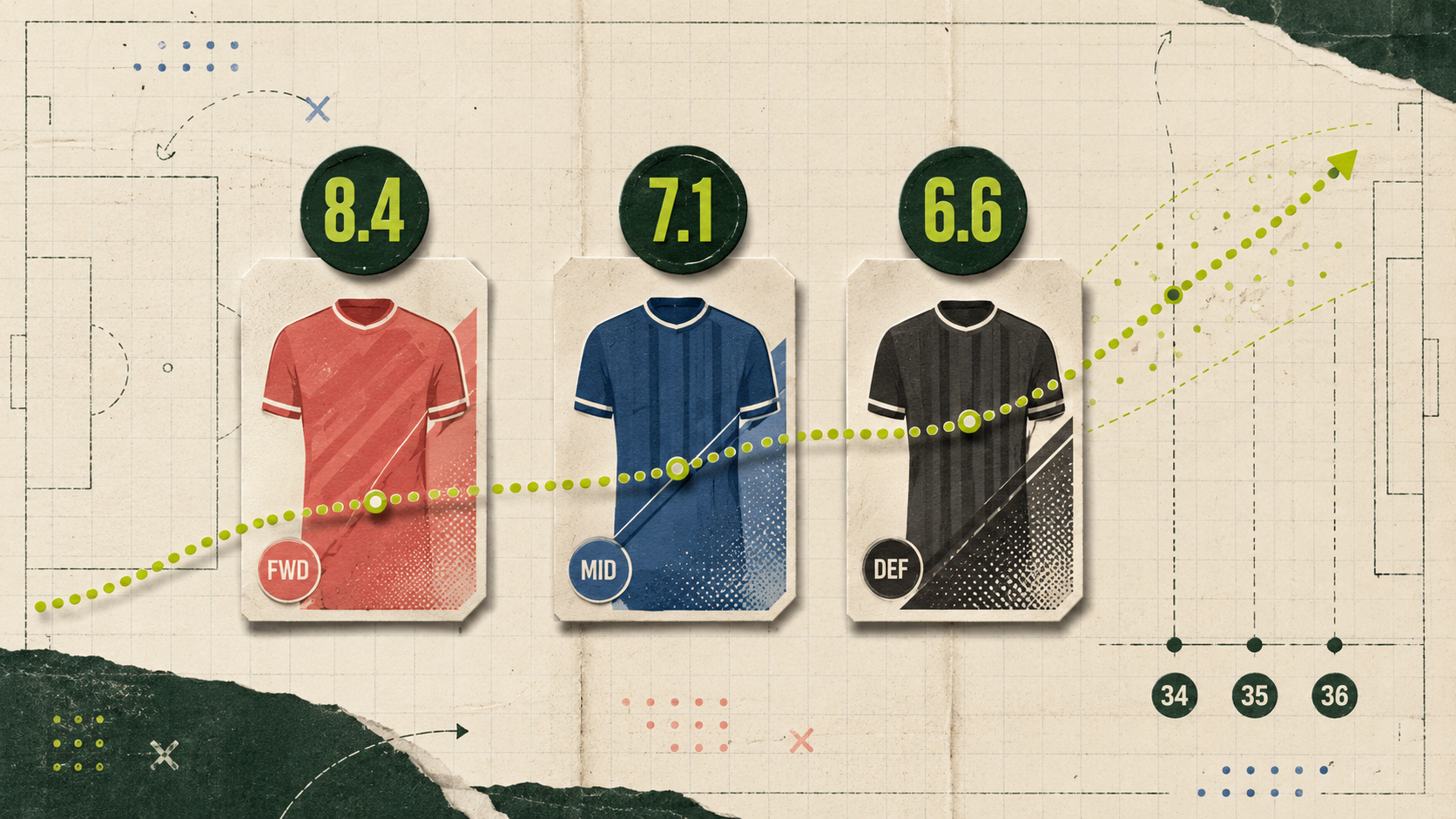
Only the current Gameweek score decides who is at risk. A brilliant opening week does not create a points cushion for the next one. When the new Gameweek begins, every surviving manager starts again from zero.
Previous scores are retained for history and one important tiebreaker. If two or more managers share the lowest Final score, the manager with the lowest total from earlier completed Gameweeks is eliminated. If they are still level, a recorded virtual coin toss decides the cut. While matches are Live, tied teams can all appear at risk, but nobody is eliminated until the Gameweek is Final.
The player pool gets stronger after every cut
Elimination does not only remove a rival. The eliminated manager's whole squad returns to the player pool, including anyone held in injured reserve. Those players enter FAAB waivers for the surviving managers rather than becoming instant free agents.
That creates the defining strategic swing of the format. A premium forward, starting goalkeeper or high-scoring midfielder who was unavailable at the draft can suddenly be claimed. Once the FAAB window has passed, players who were not claimed can become free agents. Your roster may look very different by the time the field reaches its final few managers.
How the £100m FAAB budget works
Every manager starts each run with a £100m FAAB budget. Bids are blind, must be made in whole £1m increments and cannot exceed the money you have left. The highest valid bid wins the player and losing bids cost nothing. When equal bids are submitted, the manager lower in the survival standings gets priority.
The budget lasts for the entire run and never resets. If you spend £60m after the first cut, only £40m remains for every later opportunity. If you are eliminated with money left, it disappears with you. Saving everything for the perfect player is dangerous if your current squad cannot survive, but spending heavily at the first opportunity can leave you powerless when an even stronger squad is released.
How long does a Guillotine League last?
The number of managers determines the length of a run. One manager is eliminated in each Gameweek, including the final Gameweek between the last two survivors.
| Starting managers | Length of one run |
|---|---|
| 4 | 3 Gameweeks |
| 6 | 5 Gameweeks |
| 8 | 7 Gameweeks |
| 10 | 9 Gameweeks |
| 12 | 11 Gameweeks |
Because Guillotine is shorter than a Full Season league, the same group can play multiple runs during one football season when enough Gameweeks remain. A four-manager group can complete runs quickly, while a 12-manager competition creates a longer survival campaign. After one run finishes, the league can restart and its history keeps each run separate.
What changes your strategy?
Traditional league strategy often rewards patience. Guillotine still rewards a strong long-term squad, but survival must come first. Reliable minutes matter because one poorly timed absence can contribute to a season-ending score. In Super Sub, an ordered bench can cover eligible non-appearances at Final. Best XI instead finds the highest-scoring legal team from the active roster.
FAAB adds another layer. Bid aggressively when a released player meaningfully improves your chances of surviving several cuts, not simply because they are the biggest name available. Watch what your roster lacks, how much money you have left and how quickly the competition is shrinking. The best squad at the end is often built through several disciplined decisions rather than one enormous bid.
IR and bots still play a part
Guillotine Leagues support up to 2 injured-reserve places, so an injured player does not always need to occupy one of the 16 active roster spots. If that manager is eliminated, those IR players are released with everyone else. A manager moving somebody out of IR still needs room on the active roster and may have to drop a player first.
Bots can fill empty seats, draft players, set lineups, use injured reserve and submit FAAB bids. They follow the same scoring and elimination rules as human managers, so a bot can be cut or even become Top Four Champion. They are useful when your group falls short of the chosen league size without changing the survival structure.
Set up the version your group wants
Commissioners choose Guillotine under Season length when creating the league, then select the league size, scoring model and lineup mode. The format stays locked after you create the league. Size can still change from Manage League until the draft is scheduled, then it locks as well, so decide whether your group wants a quick three-Gameweek sprint or a longer run before you start the draft.
The appeal is simple: survive this week, improve the squad and do it again. There is no safe league position and no opportunity to recover after the cut. If your group wants a shorter draft competition where every Gameweek matters, create a Guillotine League and find out who can become the last manager standing.